The unglamorous work that decides how the rest of your mouth ages.
Exams, hygiene and early intervention. Two appointments a year is the whole strategy, and it is the reason most of our patients never meet the surgical side of the practice.
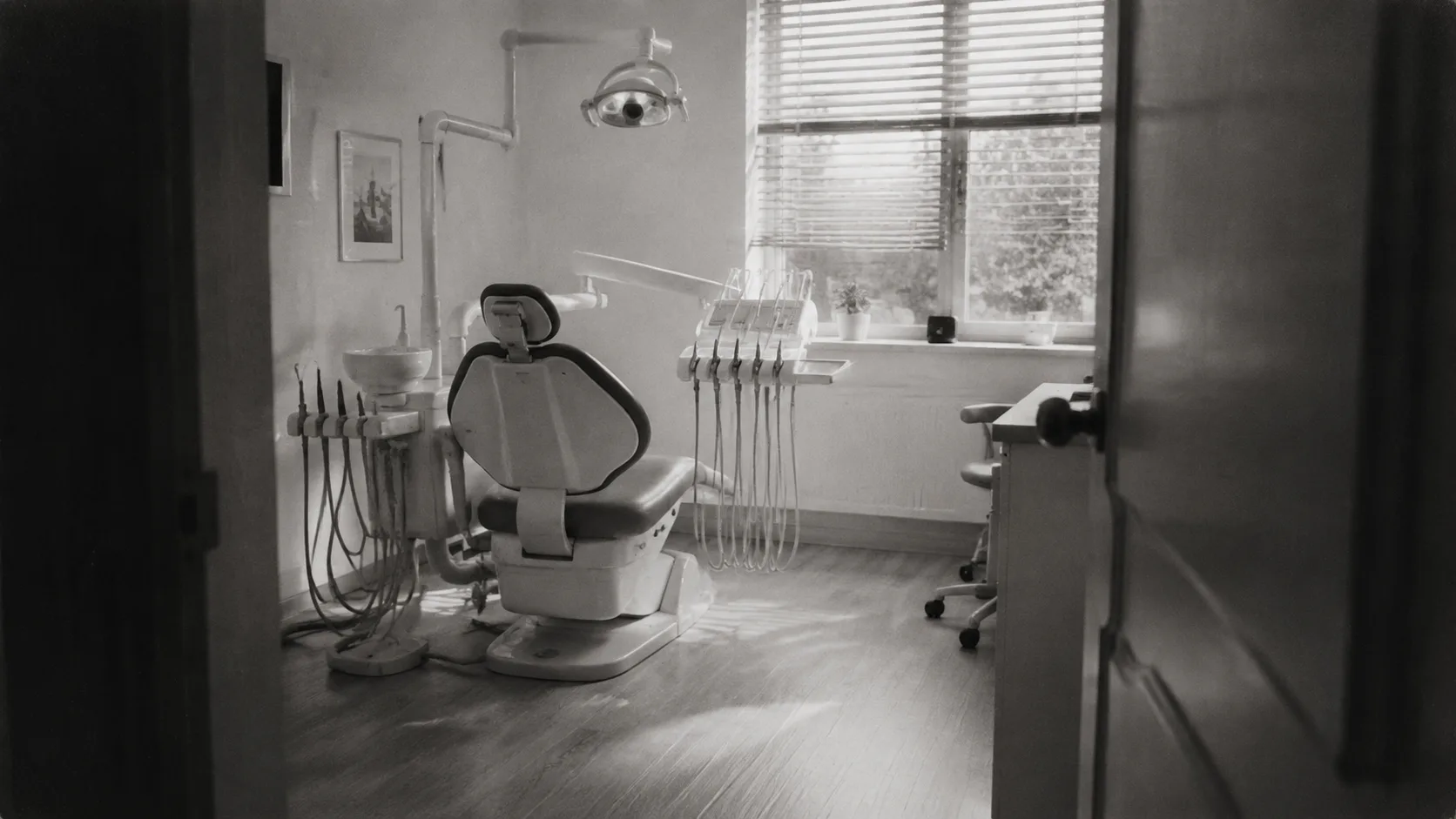
What a check-up here actually involves
Twenty of the forty minutes are spent looking. Full soft-tissue check, periodontal charting, digital X-rays at the interval your history warrants rather than automatically, and photographs so that next year we are comparing images instead of memories.
If something needs watching, we photograph it and watch it. Monitoring is a legitimate treatment plan and it is free.
When we fill, and when we don't
Early enamel lesions can remineralise. We will tell you which of yours are candidates, what you would need to change for that to work, and how long we are prepared to wait before the answer becomes a filling.
When a filling is the answer, it is composite, shade-matched in daylight, and finished so that floss passes without shredding. That last part takes an extra ten minutes and is the difference between a filling that lasts twelve years and one that fails in four.
Gum health
Bleeding gums are not normal and are not a brushing failure you should feel guilty about. Most cases respond to a course of hygiene appointments and a change of technique. Advanced cases are co-managed with the hygienist over a year before anything more is considered.
Published, and honoured.
These are our standard fees. Your written plan gives an exact figure after the examination, and it does not change afterwards.
| New patient examination40 minutes, includes X-rays | $95 |
|---|---|
| Hygiene appointment30 minutes | $110 |
| Extended hygiene45 minutes, deeper cleaning | $165 |
| Composite fillingFrom, depending on size | $210 |
| Root canal therapyFrom, front tooth to molar | $650–$1,200 |
| CrownPorcelain, lab made | $1,290 |
The ones people actually ask.
For most adults with stable gums, every six months. If your gums are being treated, every three or four for the first year. We will tell you which you are, and we will not book you in more often than your mouth needs.
No. Bitewings at an interval set by your risk history — usually every 18 to 24 months for a low-risk adult.
That is a large share of our new patients. The first appointment is a conversation and an examination. Nothing is done on the day unless you are in pain and ask us to.
Bring the question you were too embarrassed to ask the last dentist.
Consultations run forty minutes and end with a written plan, whether or not you book treatment.